
Modern supply chains are more complex than ever. Businesses must manage inventory, coordinate transportation, meet delivery deadlines, and control costs—all while maintaining visibility across multiple logistics partners. One of the most effective ways to improve performance across these areas is through integrated logistics, where warehousing and freight management work together as part of a single coordinated system.
When these two functions operate in isolation, inefficiencies often emerge. Shipments may wait at warehouses longer than necessary, transportation schedules may not align with inventory availability, and communication gaps can lead to delays or increased costs. By integrating warehousing with freight management, businesses can streamline operations and improve overall supply chain efficiency.
In this article, we explore how integrated logistics works, why it matters, and how it helps businesses move goods more efficiently from storage to final delivery.
Click Here to Learn More About Our Warehousing Freight Services
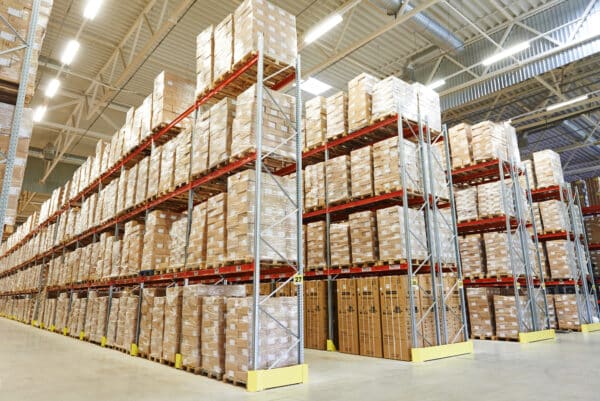

Understanding the Relationship Between Warehousing and Freight Management
Warehousing and freight management represent two critical components of the logistics process. Warehousing focuses on storing goods, managing inventory, and preparing shipments, while freight management coordinates the transportation of those goods from one location to another.
Although these functions serve different purposes, they are closely connected. The way inventory is stored, organized, and staged in a warehouse directly affects how efficiently freight can be loaded and transported. Likewise, transportation schedules influence when goods must be received, processed, and prepared for shipment.
When these processes are aligned, supply chains operate more smoothly and predictably.
The Role of Warehousing in Supply Chain Efficiency
Warehouses act as the central hub of many supply chains. They receive goods from manufacturers or suppliers, store them until they are needed, and prepare shipments for distribution to customers or other facilities.
Efficient warehousing involves more than simply storing products. It requires careful inventory management, optimized storage layouts, and processes designed to move goods quickly through the facility. When warehouses operate efficiently, they reduce handling time, improve order accuracy, and allow shipments to move out quickly when transportation is scheduled.
A well-organized warehouse also provides flexibility by allowing companies to store inventory closer to key markets, reducing delivery times and transportation costs.
Freight Management and Transportation Coordination
Freight management focuses on selecting the right transportation methods, coordinating carriers, and ensuring shipments arrive on time. This includes planning routes, managing documentation, and tracking shipments throughout transit.
Transportation efficiency depends heavily on timing. If a truck arrives before goods are ready for loading, drivers may face costly delays. If goods are prepared before transportation is scheduled, warehouse space may be unnecessarily occupied. Coordinating these processes ensures that shipments move smoothly without unnecessary waiting.
When freight management is closely connected with warehouse operations, transportation schedules can be aligned with inventory readiness, improving both speed and reliability.
How Integrated Logistics Improves Operational Efficiency
Reducing Delays and Handling Time
One of the biggest advantages of integrated logistics is the reduction of delays between storage and transportation. When warehouse teams and freight coordinators share information and schedules, shipments can be staged and loaded at exactly the right time. This minimizes idle time for trucks and reduces the risk of missed pickups or delivery windows.
Improving Inventory Visibility
Integrated systems provide greater visibility into inventory levels, shipment status, and transportation schedules. This transparency allows businesses to make more informed decisions about inventory placement and freight planning.
For example, knowing when shipments will arrive allows warehouses to prepare space and labor in advance. Similarly, understanding inventory availability helps freight managers schedule transportation more effectively.
Optimizing Transportation Costs
Integrated logistics also supports more efficient freight planning. When warehouse operations and freight management are aligned, companies can consolidate shipments, maximize trailer utilization, and reduce the number of partial loads moving through the network.
Better coordination helps avoid unnecessary expedited shipments or last-minute transportation arrangements that can significantly increase costs.
The Impact of Integrated Logistics on Customer Service
Supply chain efficiency directly affects customer satisfaction. When warehousing and freight management are integrated, companies can provide more accurate delivery estimates and respond more quickly to customer needs.
Reliable delivery schedules and faster order fulfillment improve customer confidence and help businesses maintain strong relationships with their clients. Integrated logistics systems also make it easier to adapt when customer demand changes or unexpected disruptions occur.
Technology and Communication in Integrated Logistics
Modern logistics operations rely heavily on technology to connect warehouse and transportation processes. Warehouse management systems (WMS) track inventory movement, while transportation management systems (TMS) coordinate freight planning and carrier selection.
When these systems are integrated, information flows seamlessly between warehouse teams and freight coordinators. This improves decision-making and ensures that everyone involved in the logistics process has access to accurate, up-to-date information.
Clear communication between all parties—including carriers, warehouse staff, and logistics providers—is equally important for maintaining efficiency.
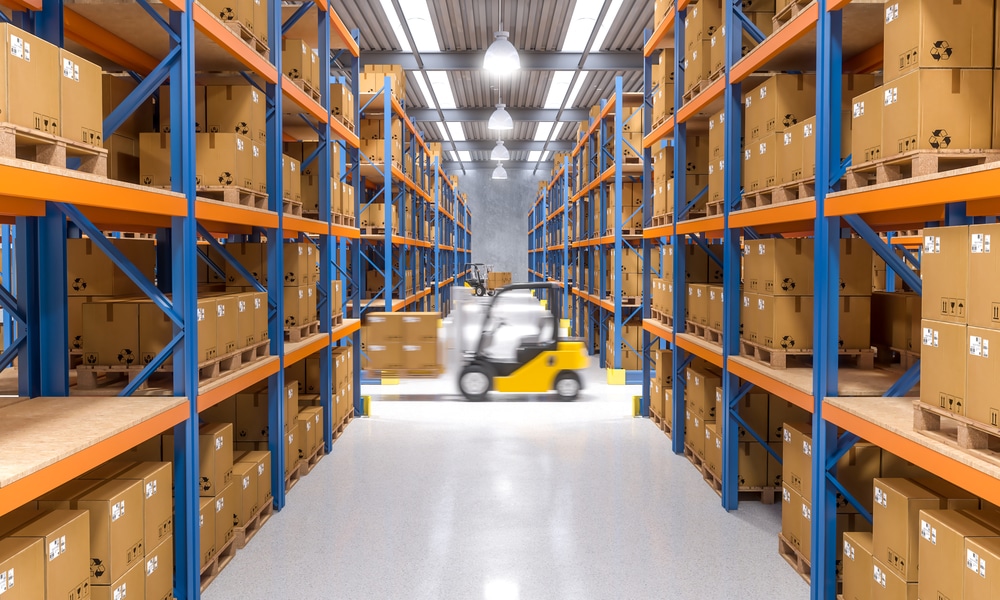

How Cargo Quotes Supports Integrated Logistics Solutions
Cargo Quotes understands that efficient logistics requires more than just transportation services. By coordinating freight management with warehousing operations, our team helps businesses create more streamlined and reliable supply chains.
We work closely with clients to align transportation schedules with warehouse operations, ensuring shipments move efficiently from storage to delivery. This integrated approach helps reduce delays, improve visibility, and control logistics costs while maintaining reliable service.
Conclusion
Warehousing and freight management are two essential components of any supply chain, and their effectiveness increases dramatically when they operate together as part of an integrated logistics strategy. By aligning storage, inventory management, and transportation planning, businesses can reduce delays, improve visibility, and move goods more efficiently.
Integrated logistics not only improves operational efficiency but also strengthens supply chain resilience and customer satisfaction. With the right coordination and logistics partner, companies can transform separate logistics functions into a unified system that delivers greater value and reliability.
Click Here to Learn More About Our Warehousing Freight Servicesor Get Started on a Quote


