
Shipping freight that exceeds standard legal size or weight limits requires far more planning than a typical shipment. Known as over-dimensional (OD) freight, these loads often include heavy machinery, industrial equipment, construction materials, and other large components that cannot be easily disassembled.
Because of their size and weight, over-dimensional shipments must comply with strict regulations related to permits, escort vehicles, and route approvals. Without proper planning, these shipments can face delays, fines, or safety risks. In this guide, we’ll explain how over-dimensional freight shipping works and share key tips for managing permits, escorts, and route planning effectively.
Click Here to Learn More About Our Over-Dimensional Freight Carrier
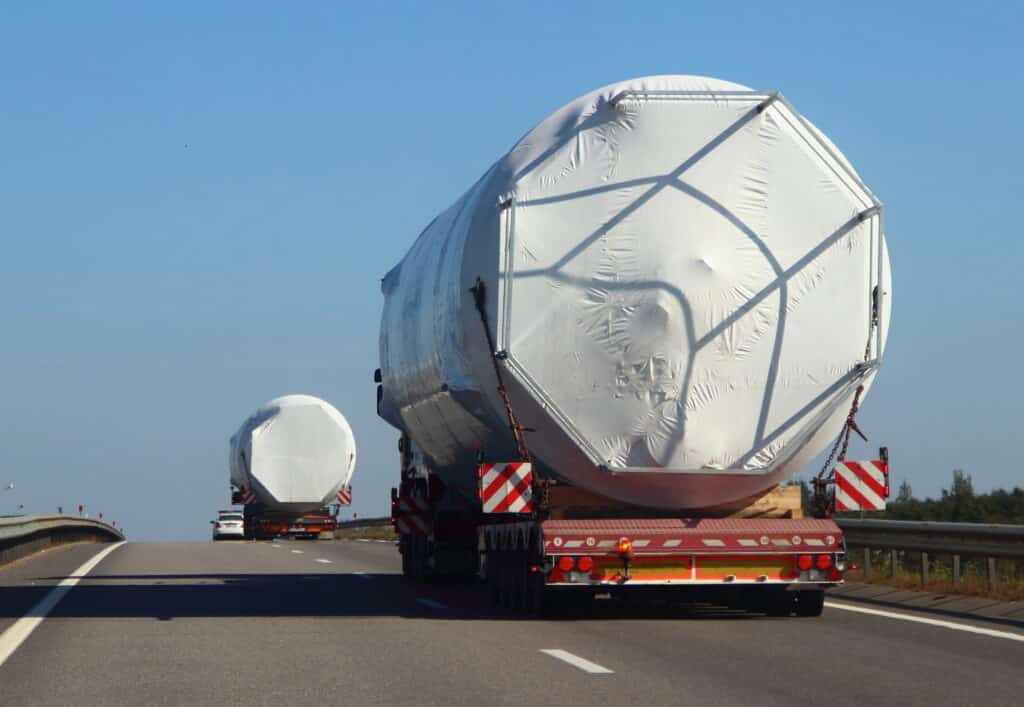

What Is Over-Dimensional Freight?
Over-dimensional freight refers to cargo that exceeds the standard legal limits for width, height, length, or weight established by transportation authorities. While these limits vary slightly by state, typical thresholds include loads wider than 8 feet 6 inches, taller than 13 feet 6 inches, or heavier than standard truck weight limits.
Because these shipments exceed normal transportation standards, they cannot move freely along highways without special authorization. Instead, they require careful planning to ensure safe travel and compliance with regulations.
Why Permits Are Required for Oversized Loads
Permits are one of the most important aspects of over-dimensional freight shipping. Transportation authorities issue permits to regulate oversized loads and ensure they travel on routes capable of safely accommodating their size and weight.
Each permit typically specifies the exact route the shipment must follow, along with restrictions on travel times, weather conditions, and escort requirements. In many cases, permits are issued at the state level, meaning shipments traveling across multiple states must obtain permits from each jurisdiction.
The permitting process also requires accurate load measurements, axle configurations, and equipment specifications. Any changes to the route or equipment may require updated permits, making careful planning essential before the shipment begins.
The Role of Escort Vehicles in Over-Dimensional Shipping
Escort vehicles, also known as pilot cars, play a critical role in maintaining safety during oversized freight moves. These vehicles travel ahead of or behind the shipment to warn other motorists, monitor road conditions, and assist the driver with navigation.
Escort requirements vary depending on the size of the load and the regulations of the state through which it is traveling. Extremely large shipments may require multiple escort vehicles or even law enforcement assistance.
Escort drivers also help monitor potential hazards such as low bridges, tight turns, construction zones, or traffic congestion. Their presence improves safety for both the shipment and the surrounding traffic.
Route Planning: The Foundation of Safe Transport
Route planning is one of the most complex aspects of over-dimensional freight shipping. Unlike standard shipments that can follow common highway routes, oversized loads must travel on roads that can safely accommodate their dimensions and weight.
Planning begins with a detailed analysis of the load’s specifications, including height, width, length, and weight distribution. Logistics planners must then evaluate potential routes to ensure adequate bridge clearances, road widths, and structural capacity.
Factors such as construction zones, seasonal restrictions, and traffic patterns also influence route selection. In some cases, routes must be adjusted to avoid urban areas or infrastructure limitations.
Proper route planning ensures that the shipment can move safely and efficiently without encountering unexpected obstacles.
Timing and Travel Restrictions
Many jurisdictions impose travel restrictions on over-dimensional freight to reduce congestion and improve safety. For example, oversized loads may only be allowed to travel during daylight hours or outside peak traffic periods.
Some states restrict oversized shipments during weekends, holidays, or severe weather conditions. These regulations can significantly impact delivery timelines, making scheduling a key part of the planning process.
Logistics teams must coordinate permits, escorts, and carrier availability to ensure the shipment moves within these allowed windows.
Equipment Considerations for Oversized Freight
Transporting over-dimensional freight requires specialized equipment designed to support heavy and oversized loads. Trailers such as lowboys, step decks, extendable trailers, and multi-axle configurations are commonly used depending on the cargo.
Choosing the right equipment is essential for both safety and compliance. The equipment must match the load’s dimensions and weight distribution while meeting the requirements specified in permits and route plans.
Experienced carriers and drivers play an equally important role, as oversized freight handling requires advanced skills and attention to detail.

Reducing Risk in Over-Dimensional Freight Moves
Over-dimensional freight carries a higher operational risk due to its complexity and visibility. Unexpected road restrictions, permit errors, or coordination issues can quickly disrupt a shipment.
Effective risk management includes verifying route conditions, preparing accurate documentation, confirming permit approvals, and maintaining clear communication among all parties involved in the move.
When properly managed, even the most complex oversized shipments can be executed safely and efficiently.
How Cargo Quotes Supports Over-Dimensional Freight Shipping
Cargo Quotes works with experienced heavy-haul carriers and logistics specialists to manage over-dimensional freight shipments from start to finish. Our team coordinates route planning, permit management, escort scheduling, and carrier selection to ensure each shipment complies with regulations and arrives on schedule.
By combining detailed planning with industry expertise, we help reduce the complexity of oversized freight transportation and provide reliable solutions for even the most challenging shipments.
Conclusion
Over-dimensional freight shipping requires far more than simply loading cargo onto a truck. From permits and escort vehicles to route planning and specialized equipment, each step must be carefully coordinated to ensure compliance, safety, and efficiency.
By understanding the requirements and working with experienced logistics partners, businesses can move oversized freight confidently and avoid costly disruptions. Cargo Quotes provides the expertise and coordination needed to manage over-dimensional shipments successfully from origin to destination.
Click Here to Learn More About Our Over-Dimensional Freight Carrier or Get Started on a Quote


