
Importers moving freight across the US-Mexico border face a unique set of risks that inland-only supply chains don’t have to worry about nearly as much. Border crossing delays, customs timing, and carrier availability can all disrupt a supply chain that isn’t built with any buffer or flexibility. Strategically located warehousing at the border changes that equation significantly, and it’s worth understanding exactly how.

Why Border Location Warehousing Changes the Economics of Cross-Border Trade
Warehousing located directly at or near major border crossings- Laredo, Eagle Pass, El Paso, McAllen, Brownsville- gives importers a strategic staging point that simply isn’t available with inland-only warehouse networks. Instead of freight moving in one continuous, high-risk push from origin to final destination, border warehousing creates a natural buffer point where inventory can be held, processed, and released based on real-time conditions rather than rigid scheduling.
This flexibility becomes especially valuable when you consider how many variables affect cross-border freight movement: customs processing times, carrier capacity on either side of the border, and demand fluctuations that don’t always align neatly with shipping schedules set weeks in advance.
Risk 1: Border Crossing Delays
Border crossing wait times can vary significantly based on time of day, day of week, and broader conditions at any given port of entry. A supply chain with no buffer built in treats every shipment as time-critical, meaning any unexpected delay at the border cascades directly into missed delivery windows and disrupted downstream operations.
Warehousing near the border allows importers to build genuine flexibility into their supply chain. Instead of every shipment needing to cross immediately upon arrival, inventory can be staged and released strategically, reducing the operational impact when border delays inevitably occur.
Risk 2: Seasonal Demand Fluctuations
Import volumes tied to seasonal retail cycles, agricultural harvests, or manufacturing schedules don’t always align neatly with steady, predictable freight flow. Pre-positioning inventory on the appropriate side of the border ahead of anticipated demand spikes means importers aren’t scrambling to secure capacity and manage customs processing during the same narrow window that every other importer is trying to do the same thing.
Border warehousing gives importers the ability to get ahead of demand surges, moving and storing inventory before the rush rather than competing for limited crossing and carrier capacity during peak periods.
Risk 3: Customs Clearance Timing
Customs clearance timing is one of the most unpredictable elements of cross-border freight movement, and it rarely aligns perfectly with a rigid transportation schedule. Warehousing at the border allows freight to be held safely and efficiently while customs documentation and clearance processes work through their necessary timeline, rather than freight sitting in transit or at a crossing point accumulating detention fees while paperwork is finalized.
This approach also gives importers more control over the specific timing of final delivery, since freight can move from border warehousing to its final destination once clearance is confirmed and the receiving location is ready, rather than being locked into a single continuous transit plan.
Reducing Detention and Demurrage Costs
Beyond the operational benefits, using border warehousing strategically can meaningfully reduce detention and demurrage costs that accumulate when freight sits at a crossing point or in a carrier’s trailer longer than planned. Moving freight into a warehouse facility designed for this purpose is generally far more cost-effective than accruing per-day charges while customs or logistics issues get resolved.
Risk 4: Carrier Availability at the Border
Carrier capacity at major border crossings fluctuates based on overall freight demand, driver availability, and broader market conditions that are largely outside any single importer’s control. Without a buffer point, an importer with no available carrier at the exact moment their freight needs to move is stuck, facing delays that ripple through their entire supply chain.
Border warehousing functions as a flex point in these situations, allowing freight to wait safely and securely for the right carrier and rate rather than forcing a rushed, potentially more expensive decision under time pressure.
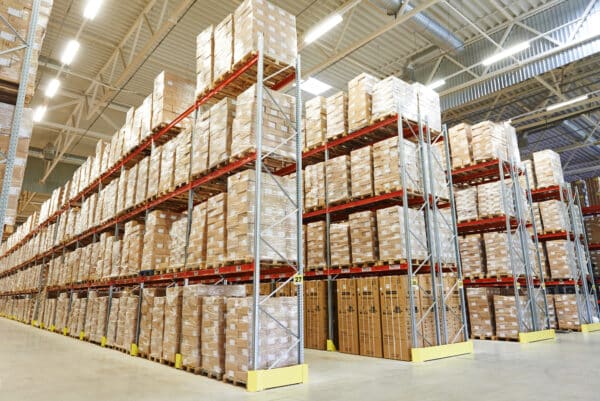

CargoQuotes’ 8-City Border Warehouse Network
CargoQuotes maintains warehousing capacity across an 8-city network spanning key border crossing points and inland hubs, including Laredo, Eagle Pass, El Paso, McAllen, and beyond, along with strategic inland locations like Houston, San Antonio, DFW, and Phoenix. This network gives importers real flexibility to stage inventory exactly where it makes the most sense for their specific supply chain, rather than being limited to a single warehouse location that may not align with their actual freight flow.
Choosing the Right Border Warehouse Location for Your Supply Chain
Not every importer needs warehousing at every border crossing point. The right location depends on your specific trade lanes, the origin and destination of your goods, and which crossing points offer the most efficient path for your particular freight. Working with a logistics partner who understands the nuances of each crossing point, from typical wait times to specific customs processing patterns, helps ensure your warehousing strategy is built around the border locations that actually matter for your business.
Final Thoughts
Cross-border warehousing isn’t just a storage solution; it’s a genuine risk management strategy for importers navigating the inherent unpredictability of border crossings, customs timing, and carrier availability. Building strategic buffer points into your supply chain reduces the operational and financial impact when the inevitable disruptions occur.
If you’re looking to reduce supply chain risk with strategically located cross-border warehousing, CargoQuotes can help you build a more resilient logistics strategy. Visit cargoquotes.com to request a warehousing quote today.
Click Here to Learn More About Cross-Border Freight Shipping


