
The United States-Mexico-Canada Agreement has been in effect since 2020, but many freight shippers — particularly smaller and mid-sized importers and exporters — still don’t fully understand how USMCA affects their shipments, their costs, and their compliance obligations. If you’re moving freight across any US-Mexico or US-Canada border crossing, understanding USMCA is not optional. Here’s what matters for cross-border freight shippers.
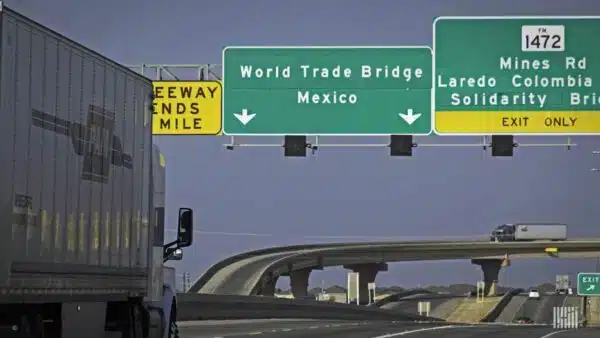
Why USMCA Matters for US-Mexico Freight Shippers
USMCA replaced NAFTA in July 2020, and while many of the core trade framework concepts carried over, there are meaningful differences that affect freight shippers — particularly those moving goods between the US and Mexico through crossings like Laredo, Eagle Pass, El Paso, Nogales, and the California border at Calexico and San Diego.
The agreement governs tariff treatment for qualifying goods, establishes specific rules for what makes a product eligible for preferential tariff rates, and creates compliance obligations that affect documentation for every qualifying shipment. Getting USMCA compliance right on your cross-border freight means accessing the tariff benefits the agreement provides. Getting it wrong means potentially paying tariffs you shouldn’t be paying, facing customs delays, or encountering enforcement action.
For businesses routing freight through Kansas City to Texas-Mexico border crossings or Arizona’s Nogales crossing, working with a freight broker who understands USMCA compliance is a practical necessity.
Key USMCA Provisions Affecting Cross-Border Freight
Rules of Origin
The most important USMCA concept for freight shippers is rules of origin. To qualify for USMCA’s preferential tariff treatment, goods must meet specific requirements demonstrating that they “originate” from one of the three member countries — not simply that they’re passing through or that they were minimally processed.
Rules of origin requirements vary by product category and are defined by tariff classification codes. For manufactured goods, the rules often specify minimum regional value content (what percentage of the product’s value must come from the US, Mexico, or Canada) and/or specific tariff shift requirements (what types of processing must occur within the USMCA region).
For freight shippers, this means you must understand your products’ tariff classifications, verify that your supply chain meets the applicable rules, and maintain documentation supporting that determination. This is more work than NAFTA required in some categories, and the documentation requirements are stricter.
De Minimis Thresholds
USMCA significantly increased de minimis thresholds — the values below which goods can enter without paying duties and taxes and with minimal formal customs entry requirements. Mexico’s de minimis threshold for shipments from the US was increased under USMCA, which has meaningful implications for e-commerce and low-value freight flows across the US-Mexico border.
For cross-border freight brokers routing shipments through Laredo, McAllen, and other Texas border crossings, these thresholds affect documentation requirements and duty exposure on eligible shipments.
Tariff Classifications and USMCA Certificates
USMCA-qualifying shipments require a certificate of origin (or equivalent certification) documenting that the goods meet the applicable rules of origin. Under USMCA, this certification can be provided by the importer, exporter, or producer — more flexibility than NAFTA allowed, but still a documentation requirement that must be satisfied.
The certification must include specific elements, be maintained for at least five years after the date of importation, and be available for customs authority review. Freight brokers and logistics providers who understand these requirements help shippers avoid compliance failures that trigger back-duty assessments or penalties.
How USMCA Changed from NAFTA for Freight Shippers
Automotive Content Rules
For shippers moving automotive parts and components — a major cross-border freight category given the integration of US and Mexican manufacturing — USMCA significantly tightened rules of origin requirements compared to NAFTA. Higher regional content thresholds and steel/aluminum purchasing requirements created meaningful compliance changes for automotive supply chains.
Agricultural Trade
USMCA maintained most of NAFTA’s agricultural trade provisions while updating some commodity-specific arrangements. For freight brokers routing agricultural shipments through Texas-Mexico crossings or Nogales, AZ, understanding the commodity-specific treatment matters.
Labor Value Content Requirements
A new USMCA provision requires that a specified percentage of automotive sector goods be manufactured by workers earning above a threshold wage rate. While this primarily affects automotive manufacturers, it flows through to supply chain documentation requirements.

Common USMCA Compliance Mistakes Cross-Border Shippers Make
Assuming goods qualify when they haven’t been verified. Many shippers assume that because goods were NAFTA-eligible under the prior agreement, they automatically qualify under USMCA. This is not always true — tighter rules of origin mean some goods that qualified under NAFTA don’t qualify under USMCA without supply chain adjustments.
Incomplete or incorrect origin certifications. Certificates that are missing required elements or contain errors can be rejected by customs, eliminating the tariff benefit and potentially triggering audits.
Not keeping adequate records. USMCA certification records must be maintained for five years. Shippers who don’t implement systematic record-keeping face risk in the event of a customs audit.
Conflating USMCA and C-TPAT. USMCA is a trade agreement affecting tariff treatment. C-TPAT (Customs-Trade Partnership Against Terrorism) is a security program affecting border crossing speed. Both matter for US-Mexico freight, but they address different things.
How Cargo Quotes Ensures USMCA-Compliant Cross-Border Shipping
Cargo Quotes works with importers and exporters routing freight across US-Mexico and US-Canada borders from our Kansas City base, with particular expertise in Texas-Mexico border crossings including Laredo, Eagle Pass, and El Paso. Our team understands USMCA documentation requirements, works with customs brokers who can handle origin certification, and routes freight through compliant channels.
When you’re moving goods that qualify for USMCA preferential treatment, proper compliance documentation is money in your pocket — lower duty costs on qualifying shipments add up quickly for regular cross-border shippers.
Conclusion
USMCA is a significant piece of the cross-border freight puzzle, and shippers who understand and comply with it are better positioned to minimize duty costs and avoid customs delays. The framework rewards shippers who document correctly and penalizes those who don’t.
Ready to move cross-border freight with proper USMCA handling? Contact Cargo Quotes for a freight quote on US-Mexico or US-Canada cross-border shipping. Our team knows the compliance landscape and can get your freight moving the right way.
Call or Reach Out for Cargo Quotes Today!
(816) 524-7500


