
In modern supply chains, efficiency depends on more than just moving goods from point A to point B. Businesses must manage inventory, coordinate shipments, and maintain visibility across multiple logistics activities. When warehousing, transportation, and freight management operate independently, inefficiencies can quickly emerge. Delays, poor communication, and rising costs often follow.
Combining these logistics functions into a unified strategy—often referred to as integrated logistics—helps businesses create a more efficient, reliable, and responsive supply chain. When storage, shipping, and freight coordination work together, companies gain better control over their operations and improve their ability to meet customer expectations.
This article explores how integrating warehousing, transportation, and freight management can improve supply chain performance and why many businesses are adopting this approach.
Click Here to Learn More About Our Warehousing Freight Services

Understanding the Role of Each Logistics Function
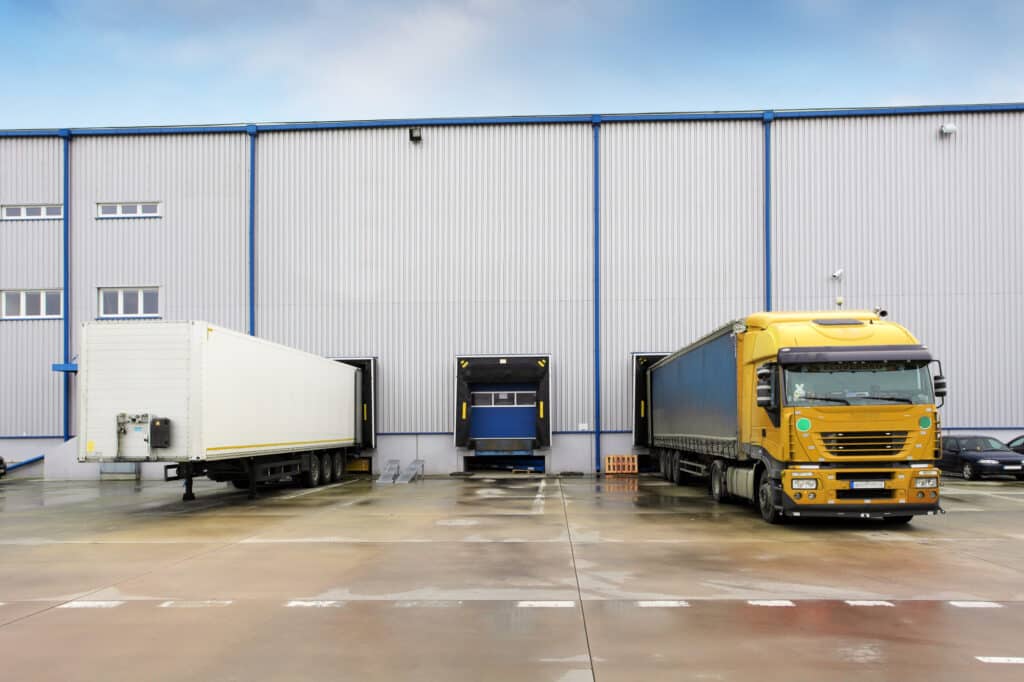
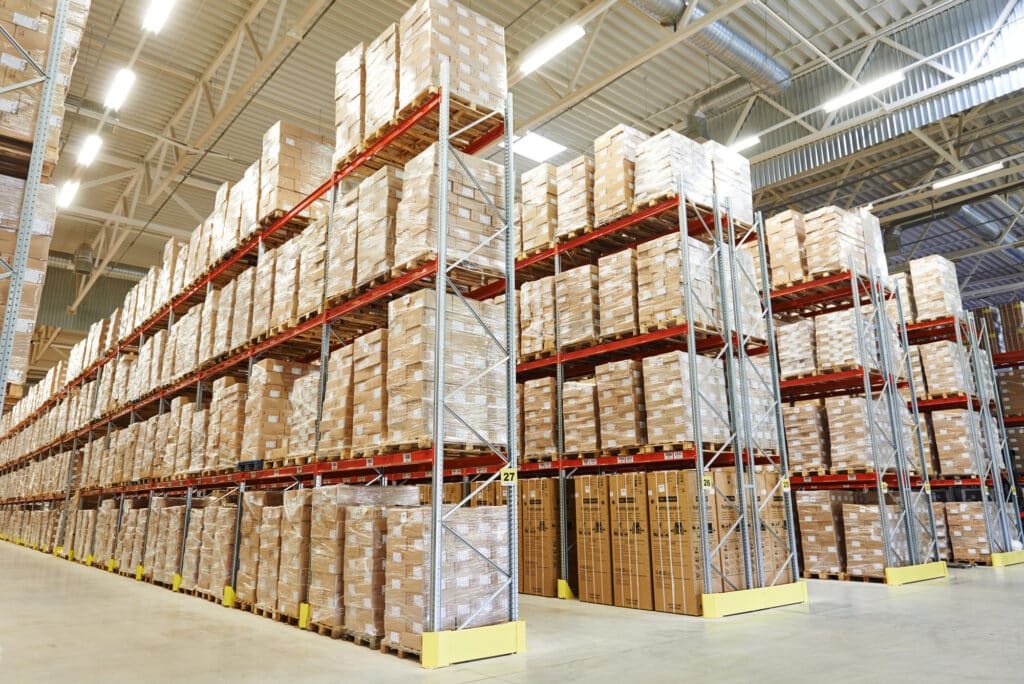
Warehousing, transportation, and freight management each serve a distinct purpose within the supply chain. Warehousing focuses on storing goods and managing inventory until products are needed. Transportation moves those goods between locations, while freight management coordinates carriers, routes, and shipment schedules.
Although these functions operate differently, they are deeply interconnected. The timing of transportation affects how inventory is handled in the warehouse, and warehouse operations influence how efficiently shipments can be loaded and delivered. When these activities are aligned, the entire logistics process becomes more efficient.
Improving Supply Chain Visibility
One of the biggest advantages of combining logistics functions is improved visibility. When warehousing, transportation, and freight management systems communicate with one another, businesses gain a clearer view of their inventory levels, shipment status, and delivery timelines.
This transparency allows companies to anticipate potential issues before they occur. For example, if a shipment is delayed in transit, warehouse teams can adjust receiving schedules and prepare accordingly. Better visibility also enables more accurate forecasting and planning, which reduces uncertainty throughout the supply chain.
Reducing Delays and Operational Bottlenecks
When logistics functions operate separately, delays often occur during transitions between storage and transportation. Trucks may arrive before freight is ready, or goods may sit in warehouses waiting for transportation to be scheduled.
Integrating warehousing and transportation planning reduces these bottlenecks. By aligning pickup schedules with warehouse operations, shipments can be staged and loaded at the right time. This synchronization helps prevent idle time for carriers and keeps goods moving smoothly through the supply chain.
Lowering Transportation and Storage Costs
Integrated logistics also helps businesses control costs. When warehouse operations and freight planning are coordinated, companies can consolidate shipments, maximize trailer capacity, and reduce unnecessary transportation expenses.
For example, shipments can be grouped before leaving the warehouse, allowing companies to use full truckload services instead of multiple smaller shipments. Similarly, better planning can reduce the need for costly expedited shipping caused by last-minute delays.
Over time, these efficiencies lead to meaningful savings across the entire logistics network.
Increasing Flexibility in Supply Chain Operations
Supply chains must adapt quickly to changing market conditions, customer demands, and unexpected disruptions. When logistics functions are integrated, businesses gain the flexibility to respond more effectively.
Warehouse teams can adjust inventory placement based on transportation schedules, while freight managers can reroute shipments or adjust delivery plans if conditions change. This flexibility helps businesses maintain service levels even when supply chain challenges arise.
Strengthening Customer Service and Delivery Performance
Reliable delivery is one of the most important factors in customer satisfaction. When warehousing and transportation are aligned, companies can provide more accurate delivery estimates and meet customer expectations more consistently.
Integrated logistics reduces the likelihood of missed delivery windows or delayed shipments. Faster processing times and improved coordination allow businesses to fulfill orders more quickly, strengthening relationships with customers and partners.
The Role of Technology in Integrated Logistics
Technology plays a critical role in connecting warehouse operations with transportation planning. Warehouse management systems track inventory and order preparation, while transportation management systems coordinate freight movement and carrier selection.
When these systems are integrated, information flows seamlessly between teams. This allows logistics professionals to monitor shipments, track inventory, and make adjustments in real time. The result is a more responsive and efficient supply chain.

How Cargo Quotes Supports Integrated Logistics
Cargo Quotes works with businesses to coordinate freight management alongside warehousing and transportation operations. By aligning shipment planning with storage and inventory processes, our team helps companies move goods more efficiently and reduce operational complexity.
Through careful coordination and strong communication with carriers and partners, Cargo Quotes helps ensure that logistics activities work together as part of a unified system. This approach supports more reliable deliveries, better visibility, and improved supply chain performance.
Conclusion
Combining warehousing, transportation, and freight management creates a more efficient and resilient supply chain. When these functions operate together, businesses gain better visibility, reduce delays, control costs, and improve delivery reliability.
Integrated logistics transforms individual logistics activities into a coordinated system that supports long-term operational success. With the right planning and the right logistics partner, companies can streamline their supply chains and respond more effectively to changing demands.
Cargo Quotes helps businesses bring these elements together, creating logistics strategies that improve efficiency and support sustainable growth.
Click Here to Learn More About Our Warehousing Freight Servicesor Get Started on a Quote


