Moving heavy equipment across the U.S.–Mexico border is one of the most complex challenges in logistics. These shipments often involve oversized dimensions, extreme weights, tight project timelines, and strict regulatory requirements on both sides of the border. A single mistake—whether in permits, routing, or documentation—can delay an entire project.
This article explains how cross-border project logistics works for heavy equipment, why it’s different from standard freight shipping, and how proper planning helps ensure safe, compliant, and on-time delivery.
Click Here to Learn More About Our Freight Shipping from Mexico to the USA
Why Cross-Border Project Logistics Is More Complex
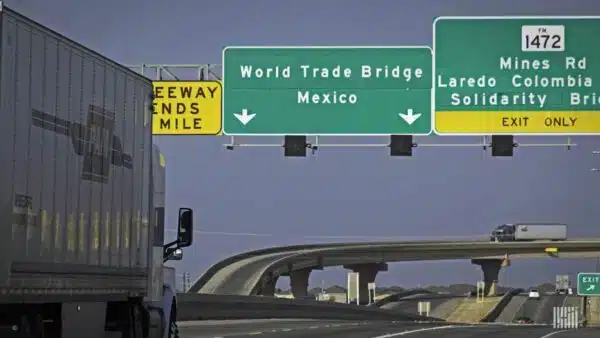
Project logistics already requires specialized planning, but adding a border crossing significantly increases complexity. Heavy equipment shipments must comply with two countries’ transportation laws, customs regulations, and carrier authorization rules—all while navigating infrastructure limitations like bridges, border crossings, and road restrictions.
Unlike standard freight, heavy equipment is often non-divisible, meaning it cannot be broken down into smaller pieces. This limits route options and increases the need for permits, escorts, and engineered transport solutions.
Planning Heavy Equipment Moves Before the Shipment Starts
Successful cross-border project logistics begins well before equipment is loaded. Planning includes reviewing cargo dimensions, weight distribution, lifting points, and transport requirements. Just as important is evaluating origin and destination access, including yard conditions, crane availability, road width, and overhead clearance.
Route planning plays a critical role at this stage. Heavy equipment must travel on approved routes that can safely handle its size and weight. When shipments cross the border, planners must also consider port-of-entry capabilities, border congestion, and staging areas for inspections or transfers.
Permits and Regulatory Requirements on Both Sides of the Border
Oversized and heavy equipment shipments require permits from multiple authorities. In the U.S., permits may be needed at the state and local level. In Mexico, federal and state permits are often required, with additional rules governing travel times, escorts, and equipment configuration.
These permits must align precisely with the planned route, equipment type, and shipment schedule. Any change—such as rerouting due to road closures—can require updated permits, making coordination and accuracy essential.
Managing Customs for Heavy Equipment Shipments
Customs clearance is one of the most critical points in cross-border project logistics. Heavy equipment shipments require detailed documentation, including commercial invoices, bills of lading, packing lists, and tariff classifications. In some cases, additional import permits or compliance certifications may be required.
Because project freight is often high-value, customs inspections are more common. Proper preparation and coordination with customs brokers help minimize delays and prevent costly holds at the border.
Carrier Coordination and Border Transfers
Heavy equipment rarely moves with a single carrier from origin to destination. Cross-border project logistics typically involves a U.S. carrier transporting the equipment to the border, followed by a Mexico-authorized carrier completing delivery within Mexico.
In some cases, transloading or equipment swapping is required near the border due to regulatory or equipment compatibility issues. These handoffs must be carefully planned to ensure safety, prevent damage, and keep the project on schedule.
Escort Vehicles and On-Road Safety
Due to their size and weight, heavy equipment shipments often require pilot cars or police escorts. Escort requirements vary by region and may include restrictions on travel times, weather conditions, or roadway usage.
Escort coordination is a vital part of project logistics, especially in cross-border moves where rules differ between countries. Failing to meet escort requirements can result in fines or shipment stoppages.
Execution and Real-Time Coordination
Once the shipment is in motion, real-time coordination becomes essential. Project logistics teams must monitor progress, communicate with carriers and escorts, and respond quickly to unexpected challenges such as weather delays, traffic restrictions, or inspection requests.
For cross-border moves, this coordination must extend across languages, time zones, and regulatory systems. Clear communication helps prevent small issues from becoming major disruptions.
Risk Management in Cross-Border Project Logistics
Heavy equipment shipments carry a higher risk due to their size, value, and importance to project timelines. Delays can halt construction, delay commissioning, or increase labor and equipment costs.
Risk management includes contingency planning, route validation, equipment inspections, and constant communication. By identifying potential failure points early, logistics teams can reduce exposure and maintain control throughout the move.

How Cargo Quotes Supports Cross-Border Project Logistics
Cargo Quotes specializes in managing cross-border project logistics for heavy and oversized equipment. We coordinate planning, permits, carrier selection, customs readiness, and execution under a single strategy designed to reduce risk and improve reliability.
Our approach focuses on aligning every detail—from routing and permits to border transfers and final delivery—so complex shipments move smoothly across the U.S.–Mexico border.
Industries That Rely on Cross-Border Project Logistics
Cross-border project logistics plays a critical role in industries such as construction, energy, manufacturing, infrastructure development, mining, and industrial equipment. In these sectors, logistics performance directly impacts project timelines and costs.
Whether moving a single piece of heavy machinery or coordinating multiple shipments for a large project, specialized logistics planning is essential.
Conclusion
Moving heavy equipment across the U.S.–Mexico border requires far more than standard freight shipping. It demands detailed planning, regulatory expertise, specialized equipment, and constant coordination. When handled correctly, cross-border project logistics keeps projects on schedule, controls costs, and minimizes risk.
Cargo Quotes brings experience and structure to every heavy equipment move, helping businesses navigate complexity with confidence. If your shipment is oversized, heavy, or time-critical, our team is ready to support your cross-border project logistics needs.
Click Here to Learn More About Our Freight Shipping from Mexico to the USA or Get Started on a Quote


