
When you’re planning a shipment—especially over long distances—one of the biggest questions is whether Full Truckload (FTL) or Intermodal Freight will deliver the best value. Both transportation methods have strengths, but the right choice depends on cost, transit time, cargo type, lane structure, and your company’s priorities.
In this blog post, we break down FTL vs. intermodal freight in a clear, practical way so you can choose the best option for your budget and supply chain. We’ll also share how Cargo Quotes helps shippers evaluate both modes for maximum efficiency.

What Is Full Truckload (FTL) Shipping?
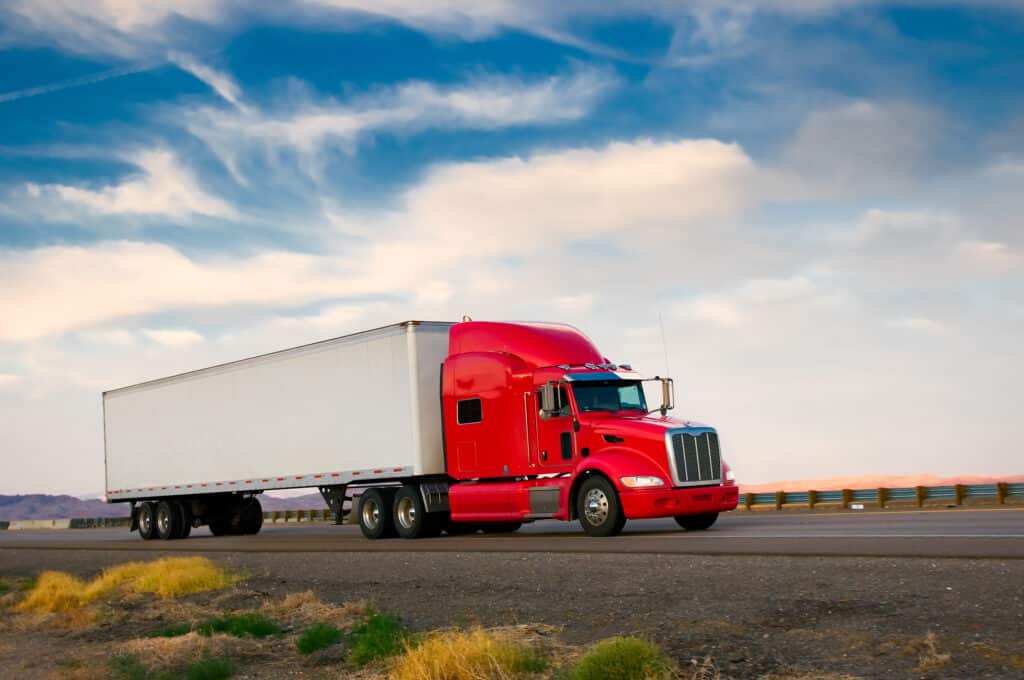
Full Truckload shipping moves freight using one truck and one driver from origin to destination with no transfers.
FTL is ideal when you have:
-
Enough freight to fill a trailer
-
Fragile or high-value goods
-
Tight delivery windows
-
Direct lanes without stops
Its simplicity and speed make it the most common shipping method for U.S. domestic freight.
Click Here to Learn More About Full Truckload Freight Shipping
What Is Intermodal Freight Shipping?
Intermodal shipping combines multiple modes of transportation—typically truck + rail + truck—while keeping the cargo in the same container the entire time.
Intermodal is used for freight that:
-
Moves 700+ miles
-
It is not extremely time-sensitive
-
Benefits from reduced costs and fuel efficiency
-
Fits standard container dimensions
Because rail handles the long-haul portion, intermodal often provides significant savings on suitable lanes.
Click Here to Learn More About Intermodal Freight Shipping
When Should You Choose FTL?
FTL is the better option if you need:
-
Faster delivery
-
Direct shipping with minimal stops
-
High security for valuable freight
-
Maximum control over timing
-
Lower risk of damage
Common industries: high-tech, automotive, retail, food & beverage, pharmaceuticals.
When Should You Choose Intermodal?
Intermodal makes sense when you want:
-
Lower transportation costs
-
Higher fuel efficiency
-
Better sustainability
-
Stable long-haul schedules
-
Capacity relief during tight trucking markets
Common industries: manufacturing, building materials, consumer goods, and non-perishables.
How Cargo Quotes Help You Decide
Cargo Quotes simplifies the choice between FTL and intermodal by analyzing:
-
Route distance and complexity
-
Transit-time requirements
-
Cost comparison between modes
-
Seasonality and market conditions
-
Cargo type, size, and handling needs
-
Rail ramp accessibility
-
Dray requirements at origin and destination
We provide clear, competitive quotes for both modes and help you choose the option that delivers true value, not just a lower price.
Conclusion
When it comes to FTL vs. intermodal freight, there’s no one-size-fits-all answer. FTL offers speed and control, while intermodal provides major cost savings and sustainability benefits. The real value lies in choosing the mode that best fits your freight profile, schedule, and budget.
Cargo Quotes provides clarity on this decision by comparing the options and helping you select the best transportation strategy for your business.
Ready to optimize your next shipment? Cargo Quotes can help you evaluate FTL vs. intermodal for any lane.


